If you’re looking to dive into the world of home brewing, you’re in for a fun and rewarding experience! Home brewing can seem a bit daunting at first, but don’t worry—we’ll break it down step by step.
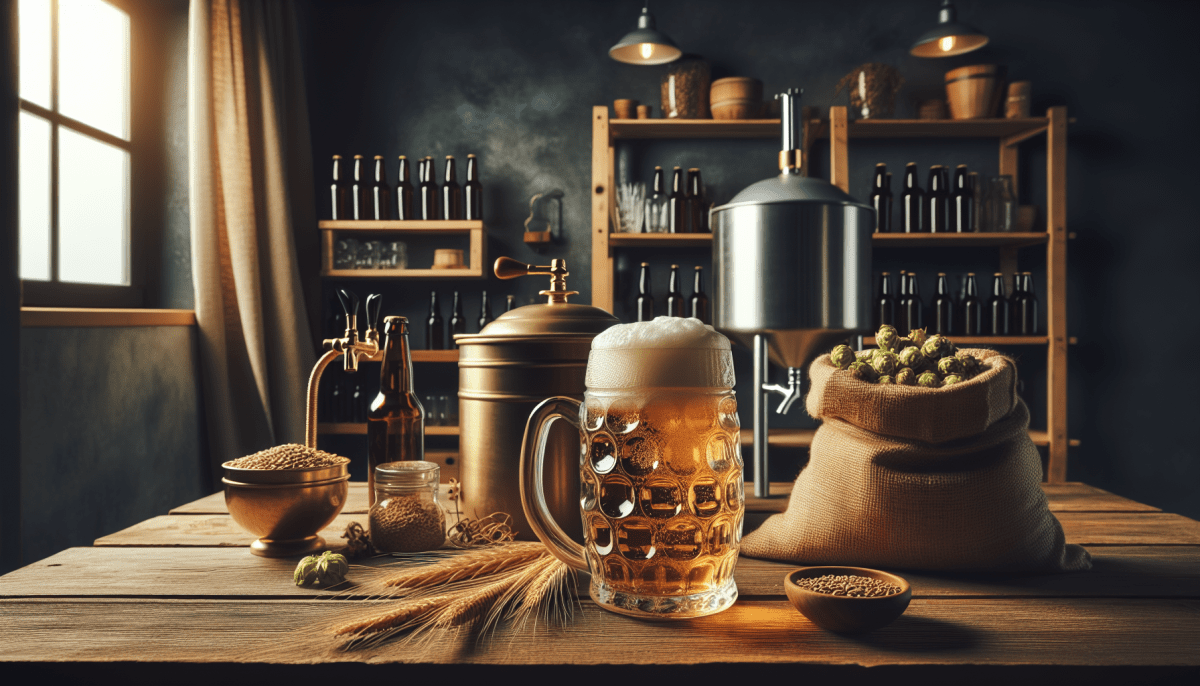
First things first, you need to gather your equipment. Essential items include:
Once you have your gear ready, it’s time to choose a recipe. Start simple! A basic pale ale or a wheat beer is perfect for beginners. Most recipes will guide you through the process of boiling your ingredients, cooling the wort, and adding yeast.
Don’t forget the importance of cleanliness. Sanitation is key in brewing to prevent unwanted flavors or infections. Make sure to sanitize all your equipment before getting started to ensure your brew turns out great!
After brewing, be patient! Once you’ve added the yeast, it’s time to let your brew ferment. This usually takes about one to two weeks, but the wait is worth it. After fermentation, you’ll bottle your beer and let it carbonate for another couple of weeks. Before you know it, you'll have delicious homebrew to enjoy with friends and family!
Essential Tools for Home Brewers
Getting into home brewing is exciting, but having the right tools can make all the difference. Here’s a handy list of essential equipment you'll need to kickstart your brewing adventure.
Brew Kettle: This is where the magic begins. A big pot, typically at least 3 gallons, is perfect for boiling your ingredients. Look for something made of stainless steel for durability.
Fermenter: This is where your beer will ferment once you've got your ingredients mixed. A glass carboy or a plastic fermenter with an airlock works well. It’s important to keep everything sealed to avoid contamination.
Hydrometer: This little gadget helps you measure the specific gravity of your brew. It’s super helpful for monitoring fermentation and determines the alcohol content of your beer.
Sanitizer: Cleanliness is key in brewing. Using a good sanitizer ensures all your equipment is free from unwanted bacteria. Check to see if it’s no-rinse; that makes the process even simpler!
Thermometer: Keeping an eye on the temperature during brewing and fermentation is crucial. A simple digital thermometer will do the job and help you avoid any mishaps.
Simple Steps to Brew Beer
Brewing beer at home might sound complicated, but it's actually pretty straightforward if you break it down. Let’s take a look at some simple steps to get you started on your home brewing journey. It’ll be fun, and you'll end up with your very own beer!
1. Gather Your Supplies:
2. Prepare Your Ingredients:
Start by sanitizing everything. This step is crucial to prevent unwanted bacteria from ruining your brew. Once that’s done, mix your malt extract with water in your pot and bring it to a boil. Add your hops according to your recipe for flavor and bitterness.
3. Cool Down and Ferment:
After boiling, you need to cool the mixture quickly. You can do this by placing the pot in an ice bath or using a wort chiller. Once it’s cool, transfer it to your fermenter, add the yeast, and seal it with an airlock. Let it sit in a dark, cool place for about 1-2 weeks.
4. Bottle Your Beer:
When fermentation is complete, it’s time to bottle! Sanitize your bottles again, then siphon the beer into them, adding priming sugar to each bottle to carbonate your beer. Cap them and store them in a cool place for another week or two to let the carbonation develop.
And there you have it! Follow these simple steps, and soon you'll be enjoying your very own homebrewed beer. Cheers to that!
Common Mistakes to Avoid
When diving into home brewing, it’s easy to make a few slip-ups. Here are some common mistakes to watch out for to help you brew like a pro!
1. Skipping Sanitization: This is a biggie! Many first-time brewers underestimate the importance of sanitation. Any leftover bacteria can spoil your batch. Always sanitize your equipment before you use it. You can’t go wrong with good old-fashioned star san or a bleach solution—just be sure to rinse well if you go the bleach route!
2. Ignoring Temperature Control: Fermentation temperature is super important. If your home is too hot or too cold, your yeast can get stressed, and you won’t get the flavors you want. Keep an eye on your thermometer and try to find a spot in your home that stays consistent in temperature for your fermenter.
3. Not Taking Notes: As you brew, keep a brewing journal. Write down every detail, including the ingredients, timings, and temperature changes. This will help you replicate successes or learn from mistakes in future brews. Plus, it’s fun to look back and see your progression!
4. Overcomplicating Recipes: New brewers sometimes feel they need to add a ton of ingredients to make something special. Start simple! Master the basics before you experiment with advanced techniques or ingredients. One or two types of hops can be perfect for your first few batches.